16 Feb 2026 ● Reetesh
Why I Became a Shared Lives Carer
Reetesh is a qualified mental health nurse and NHS bed manager who has spent over a decade supporting people across forensic and crisis services. We spoke with Reetesh about how becoming a Shared Lives carer allowed him to bring his professional skills into his home, creating stability, independence and belonging.
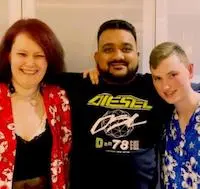
The photo shows Reetesh and two people he supports.
I’ve spent most of my adult life working in mental health services. I qualified as a mental health nurse in 2012 and have worked in the NHS ever since, including roles in forensic services, crisis teams and now as a bed manager overseeing mental health admissions across 5 boroughs.
Care has always been part of my life, both professionally and personally. I was born in Mauritius and moved to the UK when I was 6. My aunt and uncle ran care homes in North London, and from the age of 18 I worked in them while studying for my nursing qualification.
I’ve always enjoyed working with people with learning disabilities. It’s challenging, yes, but it’s also incredibly rewarding.
What surprised me most was how easy it was to have someone live with us. I thought it might feel like an intrusion, but it didn’t. It felt natural. They’re part of our family.
When my wife Deepa and I moved to Luton in 2019 for more affordable housing, we had a spare room and three young children under 6. We also had a growing sense that we wanted to do something more in our community.
That’s when we discovered Shared Lives.
Beyond the ward: how I found a different way to care
Shared Lives is a model of support where an adult who needs help with daily life lives with an approved carer or family in their home, rather than in residential care. It focuses on ordinary home life, long-term relationships, and helping people build independence.
My cousin was already a Shared Lives carer through Luton Council, which first sparked my interest. With my background in mental health and learning disability services, and space in our home, Deepa and I decided to apply.
In 2020, during the pandemic, we received an emergency placement. Sophie, a young woman who had been removed from her family home due to safeguarding concerns, had been living in a hotel. After just one visit to our house, she told her social worker:
“No, I want to move in here.”
She’s lived with us ever since.
In 2023, Clare joined our household after her previous long-term placement broke down. She needed emotional support, prompting, and a stable family environment.
Clare’s mum told us, “It’s like having my old daughter back.”
Before, Clare would be hesitant to go home after visits. Now, she says, “I can’t wait to go back home.” That’s when we knew, this was home for her.
Balancing NHS work, family life and Shared Lives
I work full-time in the NHS. Deepa, who is also a support worker, has taken a career break to care for our three children, who are 6, 4 and 2. Sophie and Clare are now part of our household as well.
We converted part of our home into an annex with en-suite bedrooms, a small kitchen, and a separate entrance. That means Sophie and Clare have their own space and independence, while still being part of our family home.
What surprised me most was how easy it was to have someone live with us. I thought it might feel like an intrusion, but it didn’t. It felt natural. They’re part of our family.
Day-to-day support is about encouragement rather than doing everything for them. We check in on their emotional wellbeing, support them with budgeting, and help with appointments when needed, though Clare is becoming increasingly independent.
Cooking has become something they’re proud of. Sophie now prepares all her own meals. Once a week, she and Clare cook dinner for the whole family. Both of them volunteer locally and have built friendships and routines in the community. Clare spends two days a week at Keech Hospice, and Sophie volunteers at a charity shop and a cultural centre.
We provide the prompting, the encouragement, the little push they need. That’s what makes the difference.
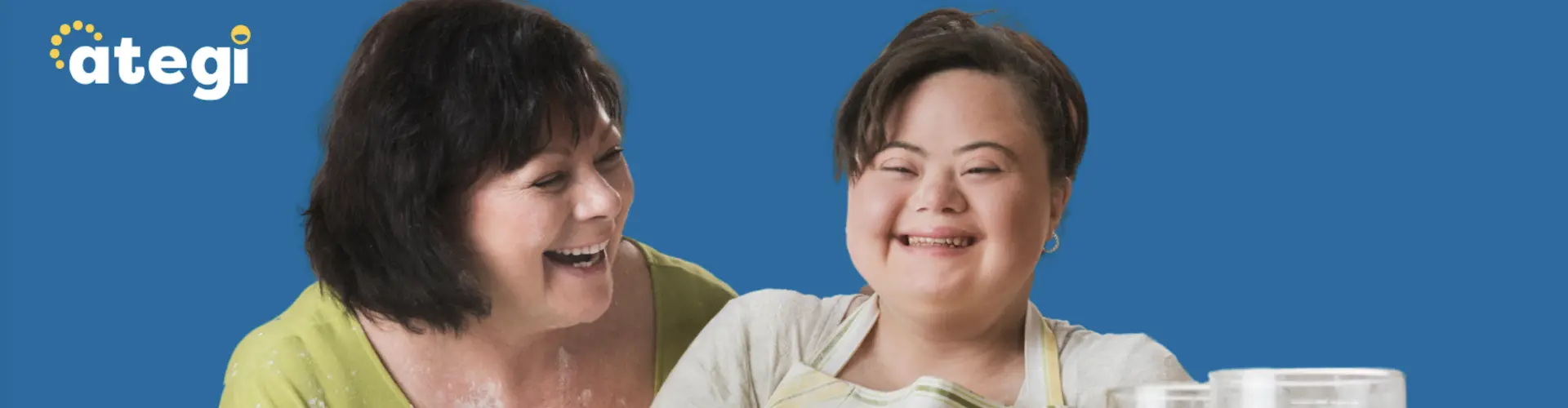
Find Out More About Ategi
Ategi supports and empowers people through our services to achieve positive changes in their lives. Find out more about them on our employer page here on Socialcare.co.uk.
Why this made sense for me as a nurse
Shared Lives isn’t a clinical role, but many of the skills I use as a nurse are the same ones I use at home: listening, supporting people through change, encouraging independence, and building trust.
For me, those values felt familiar.
It’s not just about giving support. We get so much back, laughter, connection, purpose. It’s rewarding for everyone.
Instead of working in shifts or focusing on clinical tasks, support happens through everyday life: cooking together, talking things through, helping someone plan their week or encouraging them to try something new.
Some people combine Shared Lives with other healthcare work, as I do. For others, it becomes a new direction that still uses the same core skills, just in a more personal, home-based way.
Rather than focusing on tasks, Shared Lives is about creating a stable home where someone can grow in confidence and feel that they belong.
Is it right for everyone?
Shared Lives isn’t right for every household, and that’s okay. It works best for people who are happy to share their home and everyday life with someone who needs support.
To become a Shared Lives carer, you need:
· A spare room
· To live in an area where Shared Lives operates
· Time and emotional space to build a consistent relationship
There are different ways to be involved:
· Long-term arrangements where someone lives with you full-time
· Short breaks to support families who need respite
· Shared Days, offering daytime support without overnight stays
You don’t need previous care experience, but you do need patience, reliability and a genuine interest in helping someone live a good everyday life.
A different way to care
For me, Shared Lives has been a way of bringing my professional skills and personal values together.
Care doesn’t only happen on wards or in clinics. Sometimes, it happens around a kitchen table, through shared routines, small moments of encouragement, and the stability of feeling at home.
We get so much back, laughter, connection and purpose.
It’s rewarding for everyone.